Honey Gallery
It could be said without question that beekeepers are adamant about their bees for many reasons. Here are just a couple of them:
- Honey bees help pollinate the environment and in doing so our food supply is more abundant than it would be if they did not exist. True, there are other pollinators, but none so as populated as Apis Millifera (Western Honey Bee).
- Honey bees can provide beekeepers with a sense of caring, help develop an ability to solve issues that arise in life, and even keep an otherwise idle beekeeper busier than one desires.
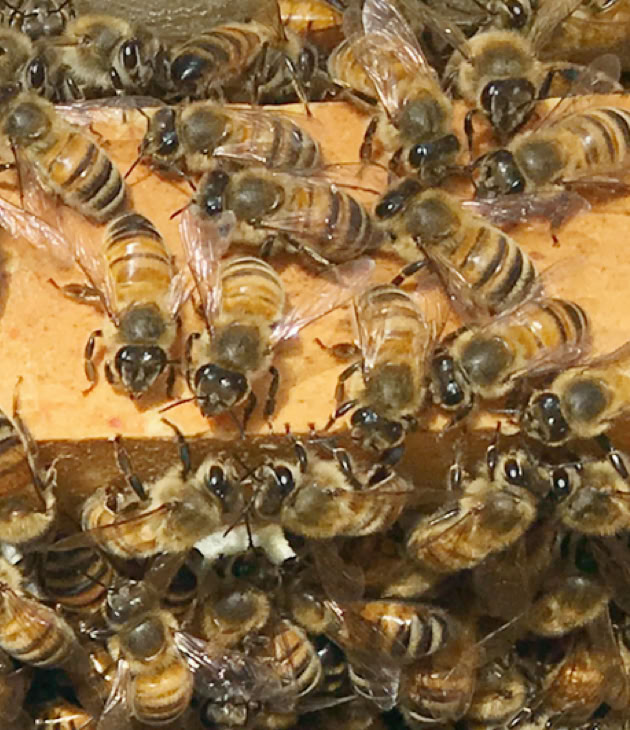
Hey Girls… Does anyone know where the nectar is located?
Harvesting honey is one of the more exciting times for beekeepers, because after all the hard work of inspections, treatments, and harvesting that golden nectar, it’s finally time to truly enjoy the benefits of the bees labor. Do all beekeepers harvest honey each year? Honestly, most first-years beekeepers may never harvest any honey for themselves. Reason: First-year colonies struggle to stay alive, primarily due to slow population growth, whereas the queen may not have been properly bred. Another possibility may be poor food availability within 2-miles of the apiary. No food can mean no brood, due to the poor health of the colony and specifically the queen.
A lack of nectar creates a lack of natural resources for building out comb and if combing new frame foundations becomes an issue, then guess what? Beekeepers must provide the proper ratio of sugar syrup to entice the house bees to build comb. However, this small issue does not deter beekeepers (not bee-havers) from providing the bees what they need to proceed in their cyclic endeavor to build their colony. The primary gaol of honey bees is to provide pollination for crops. One primary goal of every beekeeper is to harvest honey… which can help provide income for things like equipment, tools, new bees, or planned apiary growth, etc.
Honey Extraction for HCBA Members Only
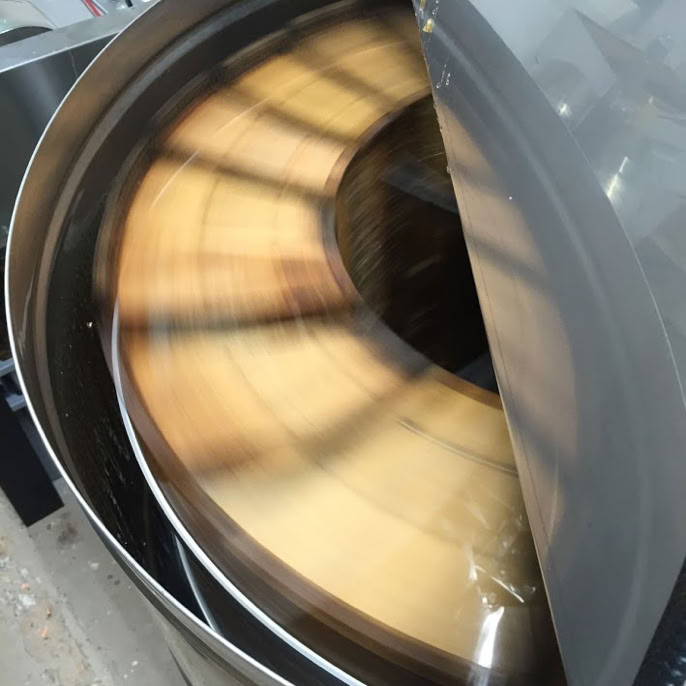
The Haywood County Beekeepers Association has two available options for club members to access equipment to extract honey produced by their bees. Several years ago the club received a grant that funded the equipping of a honey extraction facility. The equipment includes a "chain" uncapping machine and a 20-frame extractor. The beekeeper only needs to provide the honey combs and a container to catch the honey. Also, a portable 9-frame extractor is available for beekeepers to borrow on an as-needed basis. With this extractor comes a hot knife for uncapping. With either option, there are bins to catch the capping material and honey strainers to filter out all the bee wings/legs/antennae that inevitably are found in the honey after the extraction process.
To learn more or request the use of these items place contact call Allen Blanton at brotherallenapiary@gmail.com to schedule dates and time.
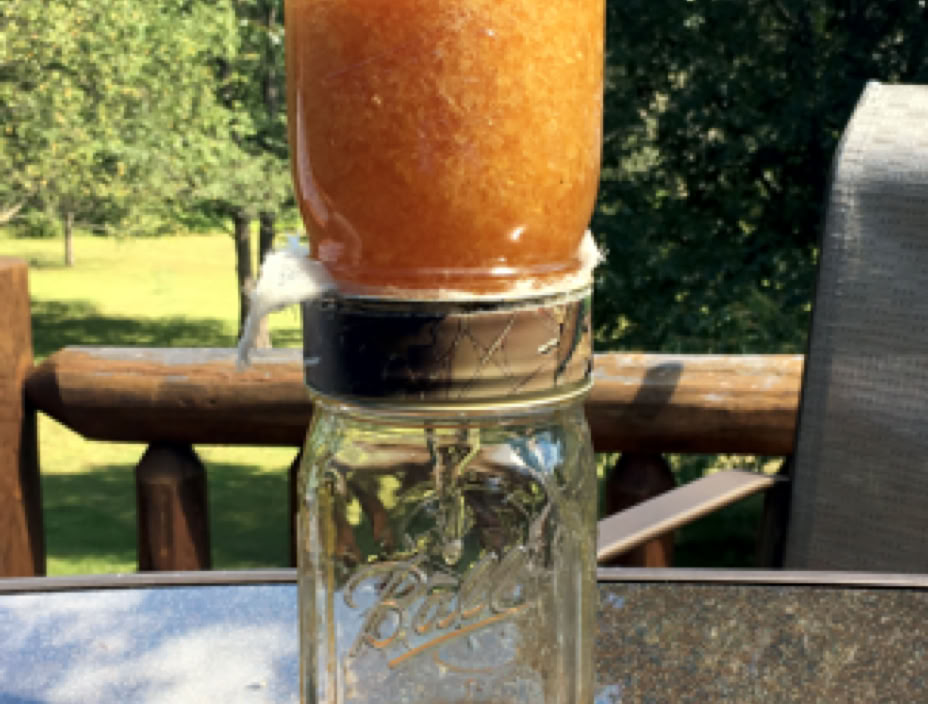
The SLOW… method, 27 hours layer the cheese cloth finally strained out the honey!
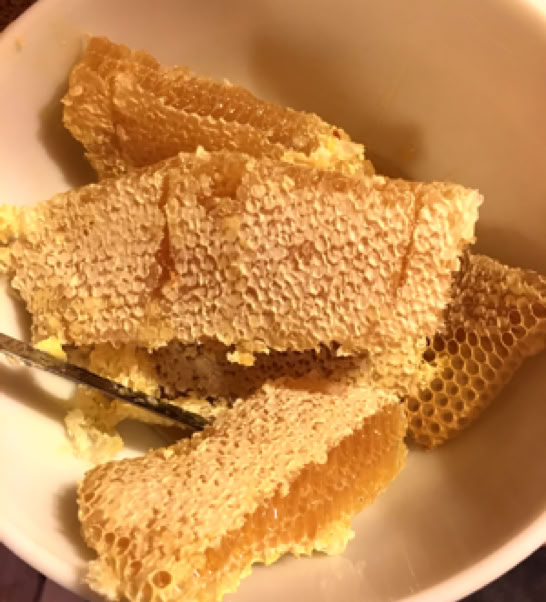
The PREFERRED… method, 15 minutes… extracted and ready for screening!